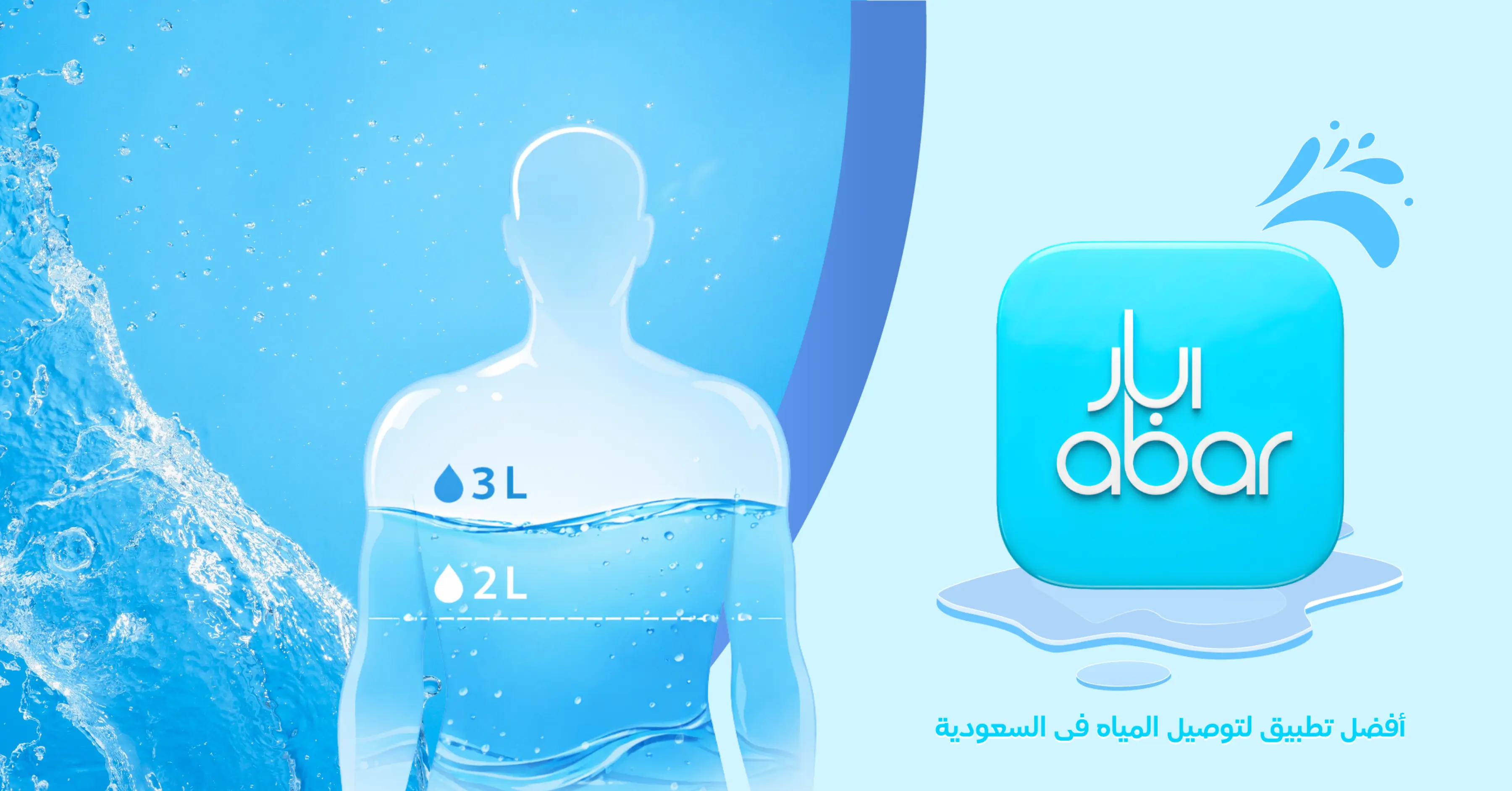
daily water intake, body’s water requirement, water drinking schedule, benefits of drinking water, signs of insufficient water intakee
Water is the essential component of life, making up approximately 60% of the human body weight. No vital function can occur without it, from regulating body temperature to transporting nutrients and eliminating toxins. The question that always arises is: how many liters of water does the body need daily? The answer is not a fixed number that suits everyone; it depends on a complex set of individual and environmental factors. This article aims to detail the ideal daily water intake, how to calculate the amount of water your body needs, explain the benefits of drinking water, and indicate when to focus on increasing consumption.
1. The Golden Rule and Calculating Your Body's Water Needs
In the past, the common advice was to drink eight glasses of water a day (approximately 2 liters). While this advice is a good starting point, it is an oversimplification. To determine your body’s daily water intake more accurately, personal factors must be considered.
1.1 How to calculate the water your body needs
Weight-based method: To convert your weight in kilograms to the recommended daily water intake, multiply your body weight by 30 to 35 ml of water. For example, if you weigh 70 kilograms, the calculation is as follows: 70 × 35 ml = 2450 ml of water per day, which is approximately 2.45 liters. This method is one of the most common and accurate ways to determine how many liters of water your body needs daily, especially for calculating personal water requirements.
General method (recommended by major academies):
The U.S. National Academies of Sciences, Engineering, and Medicine (NASEM) recommend a total daily fluid intake of about 3.7 liters for men and 2.7 liters for women. About 20% of this total comes from food, so the net water intake (as a drink) is:
-
Men: approximately 3.0 liters
-
Women: approximately 2.2 liters
1.2 Water intake by weight and age
The body’s water needs vary depending on age and weight:
| Category | Weight / Age | Estimated Daily Water Intake | Notes |
|---|---|---|---|
| Adults (men) | Average weight | 3 liters (total fluids) | Men require more water due to higher muscle mass. |
| Adults (women) | Average weight | 2.2–2.7 liters (total fluids) | Women’s daily water intake increases during pregnancy and breastfeeding. |
| Children | Varies by age | Gradually increases from 1 to 2 liters | Physical activity is a key factor. |
| Elderly | Varies | At least 1.7 liters | Thirst sensation may be reduced, but needs remain. |
2. Factors That Increase the Body’s Water Requirements
The answer to “how many liters of water should I drink daily?” changes significantly when certain external or internal factors are present.
2.1 Drinking water in hot weather and physical activity
In hot environments or during physical exertion, sweating increases significantly. Drinking water in hot conditions is essential to maintain fluid balance, as sweating helps cool the body and regulate temperature. Each hour spent in extreme heat or high humidity requires an additional 500–1000 ml of water on top of the usual summer intake.
During intense exercise or physical activity, you should drink 200–300 ml of water every 15–20 minutes. Athletes may require more than double the daily water intake of a sedentary person to compensate for fluid loss and maintain healthy performance and fitness.
2.2 Health conditions and pregnancy
-
Fever, diarrhea, and vomiting: These conditions rapidly increase fluid loss, so daily water intake should be increased to compensate and prevent dehydration.
-
Pregnancy and breastfeeding: Pregnant and breastfeeding women need more water to support increased blood volume and milk production. During breastfeeding, women need about 3.1 liters of total fluids daily.
3. When Should You Drink Water? (Best Times to Drink)
Timing is just as important as quantity. Spreading your daily water intake throughout the day maintains consistent hydration levels. When should you drink water? The answer is simple: before you feel thirsty. Thirst is a delayed signal indicating that dehydration may already have begun. Using a daily water drinking schedule can help ensure consistency.
| Suggested Time | Reason and Importance |
|---|---|
| Immediately after waking | 1–2 cups. Rehydrates the body after long sleep and fasting, and activates internal organs. |
| 30 minutes before meals | 1 cup. Helps digestion and may support weight management by inducing fullness. |
| 1 hour before exercise | 2–3 cups. Prepares the body for upcoming sweating. |
| During exercise | Small sips every 15–20 minutes. Maintains performance and prevents dehydration. |
| After exercise | 2–3 cups. Replaces lost fluids. |
| 1 hour before sleep | 1 cup. Supports heart function at night, but avoid excessive intake to prevent waking up. |
4. Consequences of Water Deficiency: Signs and Harms
Recognizing the signs of insufficient water intake is essential to avoid short- and long-term negative effects.
4.1 Early signs of dehydration
-
Dark urine: The easiest and most obvious indicator. Urine should be very light or pale yellow.
-
Intense thirst: A delayed signal.
-
Fatigue and headache: Early effects appear when cells and tissues do not receive enough water.
4.2 Chronic harms of insufficient water intake
Neglecting your daily water intake can lead to multiple health issues, including:
-
Constipation: Water is essential for normal bowel movements.
-
Kidney stones: Low water intake increases urine concentration of salts and minerals, contributing to stone formation.
-
Cognitive and concentration problems: Even mild dehydration can impair short-term memory and reduce alertness.
-
Increased body temperature: Reduced sweating efficiency.
5. Benefits of Drinking Water: Why It’s Worth It
Meeting your body’s water requirements provides numerous health benefits beyond mere survival.
-
Improved physical performance: Water lubricates joints, regulates body temperature, and prevents early fatigue during exercise.
-
Enhanced brain health: The brain relies heavily on hydration. Proper hydration improves mood, focus, and memory functions.
-
Supports digestion and nutrient absorption: Water is essential for saliva and digestive juices, and dissolves vitamins and minerals for absorption.
-
Detoxification: Water aids the kidneys and liver in eliminating waste and toxins through urine and sweat.
-
Helps with weight management: Drinking water before meals can reduce appetite and increase metabolism (calorie burning).
6. Tips to Remember to Drink Water
To avoid forgetting to drink water and ensure adherence to your daily water intake, follow these practical tips: carry a water bottle with you throughout the day, whether at work or on the go, and keep it within reach as a constant reminder. Using smart apps or phone alerts can help you drink water regularly at set intervals. Linking water intake to daily habits, such as meals or short breaks, increases consistency. You can also add natural flavors like lemon or cucumber slices to make drinking water more enjoyable and motivating. These simple habits ensure continuous and healthy hydration.
Conclusion
Maintaining your daily water intake and keeping your body hydrated is one of the most important foundations for overall health and for preventing dehydration and health problems related to fluid deficiency. By knowing how many liters of water your body needs daily, following a daily water drinking schedule, and monitoring the signs of insufficient water intake, you can significantly improve your health and daily energy levels.
To make it easier to access the best types of water and track your daily water intake, you can use the Abar app, which offers a variety of trusted brands and provides home delivery, along with the ability to organize your water drinking schedule according to your personal needs. This way, keeping your body hydrated daily becomes easier, more consistent, and ensures you get the maximum benefits from drinking water.
Read More Blogs


We excel in custom mobile app development through the synergy of expert teams and efficient processes.