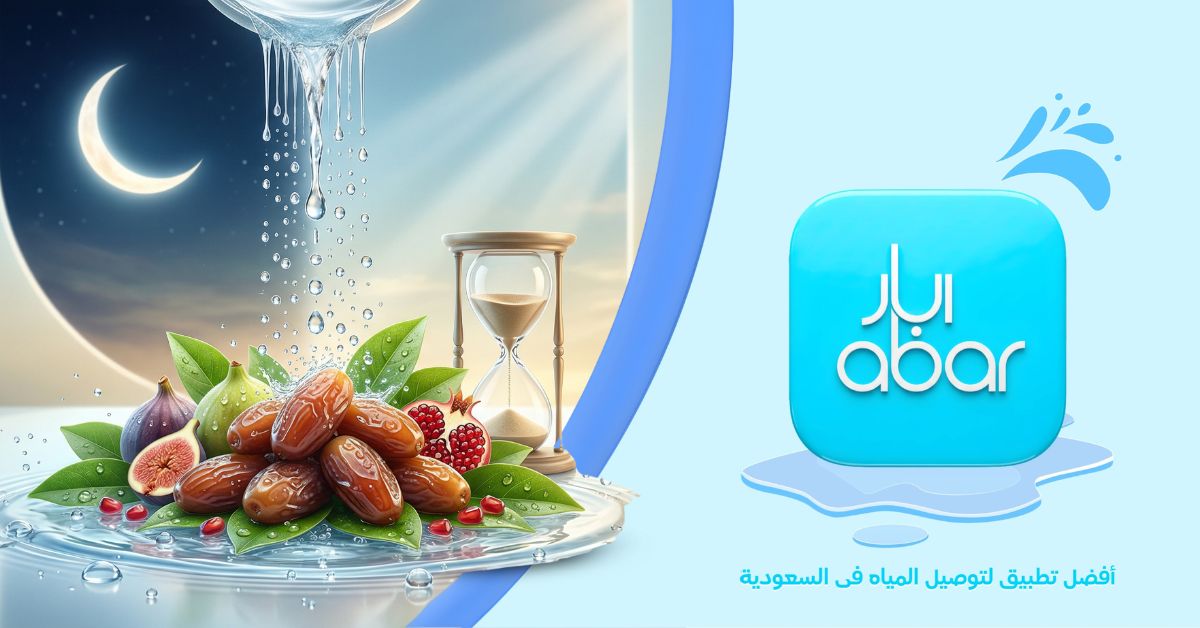
Start your Iftar with water… the healthy secret behind your energy and focus all Ramadan
Introduction: When Iftar Begins with Water
On the Ramadan Iftar table in Saudi Arabia, dishes vary and customs differ, but there is one indispensable element: water.
Some may see it as a simple detail or a basic necessity, but scientific and health evidence confirms that water is the most important element on the Iftar table in Saudi Arabia. It is the cornerstone of a healthy and balanced Iftar.
In a hot climate, with long fasting hours and rich dietary habits, drinking water at Iftar becomes a health necessity rather than a mere choice.
1. The Nature of Saudi Arabia’s Climate Makes Water a Top Priority
Saudi Arabia experiences high temperatures most of the year, and during long fasting hours, the body loses significant amounts of fluids without the fasting person noticing, whether through sweating, breathing, or loss of essential minerals. This highlights the importance of water on the Iftar table in Saudi Arabia as the first and most important step to restore the body’s fluid balance and compensate for what was lost during the day. Neglecting to drink water in this climate may lead to headaches, dizziness, fatigue, lack of focus, and digestive disturbances, making water an essential element for a healthy and safe Iftar.
2. Water is the Fastest Way to Break Fasting Dehydration
After more than 12–15 hours of fasting, the body enters a state known as silent dehydration, in which it loses a significant portion of its fluids without obvious severe symptoms, but this impacts energy, focus, and organ function. At this critical moment, the body’s primary need is not food or juice, but pure water. Drinking water at Iftar quickly rehydrates the cells, improves blood flow to vital organs, eases the strain on the heart after hours without fluids, and prepares the digestive system to receive food more smoothly, reducing the risk of bloating or indigestion. In a hot climate like Saudi Arabia, this step becomes even more essential, as nutrition experts emphasize that starting with water before any food is the healthiest approach to maintain body balance and support the health of the fasting person throughout Ramadan.
3. Why Water is Better Than Juices and Traditional Ramadan Drinks
Despite the widespread presence of Ramadan juices and traditional drinks on Iftar tables, water remains the healthiest and safest option, especially in Saudi Arabia, where high temperatures and long fasting hours create a real need for effective hydration. Water is completely free of sugar and calories, does not strain the pancreas, does not spike blood sugar levels, and does not increase thirst afterward, unlike many sweetened drinks. In contrast, sugary drinks can cause repeated thirst, post-meal lethargy, energy fluctuations, and may contribute to weight gain and metabolic stress when consumed regularly. Therefore, drinking water first at Iftar gives the body exactly what it needs after fasting and serves as the golden rule for a healthy and balanced Iftar, while other beverages should be consumed in moderation and with awareness.
4. The Role of Water in Improving Digestion After Iftar
The Ramadan table in Saudi Arabia is known for its variety and richness, with many meals being fatty, fried, or heavily spiced, placing significant pressure on the digestive system after long hours of fasting. Here, water plays a vital and essential role on the Iftar table, as drinking water at the beginning of Iftar stimulates digestive juices and prepares the stomach to receive food gradually, reducing the likelihood of indigestion and feeling overly full. Water also improves bowel movement and prevents constipation, a common issue during Ramadan due to changes in eating patterns and reduced fluid intake, in addition to alleviating bloating and minimizing stomach irritation caused by rich foods. Therefore, ensuring water consumption on the Iftar table in Saudi Arabia not only supports hydration but is a critical step for digestive health, making the Iftar experience more comfortable and balanced.
5. Water Helps Regulate Appetite and Prevent Overeating
A common mistake many fasting people make is eating large quantities quickly immediately after Iftar due to extreme hunger and low energy, a behavior that can lead to overeating, digestive problems, and long-term weight gain. Here, drinking a cup or two of water before starting the meal helps calm excessive hunger signals and gives the brain time to distinguish between true thirst and hunger—a common confusion after fasting. Water naturally fills part of the stomach, helping to control the amount of food consumed and reducing unconscious overeating. In an environment like Saudi Arabia, where Iftar tables are rich and diverse, water becomes an essential tool for weight management and meal balance, as well as preventing post-meal heaviness and fatigue. Water, therefore, is not just a side drink but a smart strategy for a healthy and balanced Ramadan Iftar.
6. Water’s Effect on Focus and Energy After Iftar
After long hours of fasting in Saudi Arabia, many fasting individuals experience fatigue, sleepiness, and difficulty concentrating, often attributing it to heavy food or rich dishes. In reality, dehydration is the main factor behind this condition. When the body loses fluids, vital brain functions slow down, and energy levels drop, affecting the ability to focus and carry out daily activities or prayers. Water plays a key role in restoring activity, improving blood and oxygen flow to the brain, supporting mental focus, reducing general fatigue, and enhancing the ability to perform Tarawih prayers with energy and vitality. Additionally, water helps maintain overall body functions after Iftar and prevents sudden drops in blood pressure or dizziness caused by fluid loss. Thus, water is the essential element and true star of the Iftar table in Saudi Arabia, not coffee or stimulating drinks, as it ensures energy, vitality, and brain health throughout fasting hours.
7. Water as a Fundamental Element for Overall Health in Ramadan
Drinking adequate amounts of water between Iftar and Suhoor is not only about hydration; it has comprehensive health effects on various body systems, especially in Saudi Arabia, where temperatures remain high. Water plays a vital role in kidney health by aiding toxin and waste elimination, supporting liver function in processing food and fats, and regulating body temperature to prevent heat stress and fatigue. It also directly impacts skin health, providing internal hydration that maintains freshness and elasticity, reduces dryness and early wrinkles, and minimizes headaches caused by fluid loss. In hot and dry conditions like those in Saudi Arabia, the need for water is doubled compared to other regions, making attention to both quantity and quality essential to maintain overall health, physical activity, and mental focus, while preventing fatigue or weakness after Iftar and during Suhoor. Water, in this sense, becomes a key element supporting all vital body functions during Ramadan, ensuring safe and healthy fasting.
8. When and How to Drink Water Correctly During Ramadan
To gain the maximum benefit from water on the Iftar table in Saudi Arabia, simply drinking it randomly is not enough. There are strategies to ensure optimal health and hydration during Ramadan. First, it is recommended to drink water immediately at the call to Iftar, allowing gradual absorption and restoring fluid balance after long hours without liquids. Second, the required water amount should be distributed between Iftar and Suhoor, not consumed all at once, as steady intake better hydrates cells and tissues and prevents kidney and stomach stress. Third, avoid drinking large amounts at once, which may dilute digestive juices or cause bloating—a common issue when overdrinking at the start of the meal. Fourth, choosing pure, high-quality water is as important as quantity, as mineral-balanced water supports optimal hydration and maintains liver, kidney, and brain health. Finally, reduce intake of diuretic drinks like coffee and excessive tea during Iftar and Suhoor, as they increase fluid loss and reduce hydration effectiveness. Moderation, consistency, and awareness of water quality are the keys to effective hydration on the Iftar table in Saudi Arabia, especially in hot conditions and long fasting hours, ensuring the health and comfort of the fasting individual.
9. Water Quality is as Important as Quantity
Not all water is equal. Choosing pure, reliable, and mineral-balanced water affects not only hydration efficiency but also taste, ease of absorption, and overall health benefits for the fasting person. In Saudi Arabia, where water sources vary widely, awareness of water quality has become an essential part of a healthy lifestyle, particularly during Ramadan, to ensure effective hydration and support the health of the entire family.
10. Water as the Foundation of Ramadan Food Culture in Saudi Arabia
Traditionally, the Iftar table in Saudi Arabia has been associated with dates and water, a combination that is not merely cultural but scientifically and health-wise grounded. Dates provide quick energy needed after long fasting hours, while water restores essential hydration to cells and tissues and prepares the stomach to receive other foods in a balanced manner. This simple and effective combination allows the fasting person to begin Iftar in a way that supports energy, focus, and overall health, ensuring a balanced and safe meal experience.
Conclusion: Why Water is the Star of the Iftar Table in Saudi Arabia
In the hot climate of Saudi Arabia, with fasting hours often exceeding 12–15 hours, the body loses significant fluids and essential minerals, making hydration a critical step to restore balance after long abstinence from food and drink. Water is not just a side drink but the foundation of a healthy Ramadan diet, supporting digestive health, kidney and liver function, energy, and overall vitality. Starting Iftar with water is a choice of health, awareness, and balance; it replenishes the body, prepares the stomach for food, prevents overeating, and reduces post-meal fatigue. To ensure access to pure and reliable water during Ramadan, the Abar app provides high-quality bottled water delivered directly to your home, guaranteeing a healthy and complete Iftar experience, making water the true star of the Iftar table in Saudi Arabia.
Read More Blogs

We excel in custom mobile app development through the synergy of expert teams and efficient processes.